
Elevate Your Perspective with Aerial Photography
- zachmetcal4
- Sep 8, 2025
- 4 min read
In the fast-paced world of land development and commercial construction, staying ahead means having the clearest, most comprehensive view of your projects. Traditional ground-level inspections can miss critical details, slow down progress, and leave room for costly errors. This is where capturing aerial views transforms the way you monitor and manage construction sites. By leveraging advanced drone technology and expert imaging, you gain a powerful tool to document site conditions, track progress, and identify potential issues before they escalate.
The Power of Capturing Aerial Views in Construction
Capturing aerial views offers a unique vantage point that ground-based methods simply cannot match. From high above, you can see the full scope of a project, including terrain, structures, and equipment placement. This perspective is invaluable for:
Monitoring site progress: Regular aerial surveys provide up-to-date visuals that help project managers verify that work is proceeding according to schedule.
Identifying areas of concern: Early detection of erosion, drainage problems, or unauthorized activity can prevent costly delays.
Enhancing communication: Visual data makes it easier to share updates with stakeholders, contractors, and clients, ensuring everyone is on the same page.
Improving safety: Aerial views reduce the need for personnel to enter hazardous zones for inspections.
For example, a commercial construction company can schedule weekly drone flights to capture detailed images of a building site. These images are then analyzed to confirm that foundation work is complete and materials are stored correctly. Any deviations from the plan are flagged immediately, allowing for quick corrective action.

What is aerial photography?
Aerial photography involves capturing images from an elevated position, typically using drones, helicopters, or fixed-wing aircraft. This technique provides a bird’s-eye view of landscapes, structures, and activities on the ground. In the context of land development and construction, aerial photography is a game-changer for site documentation and project management.
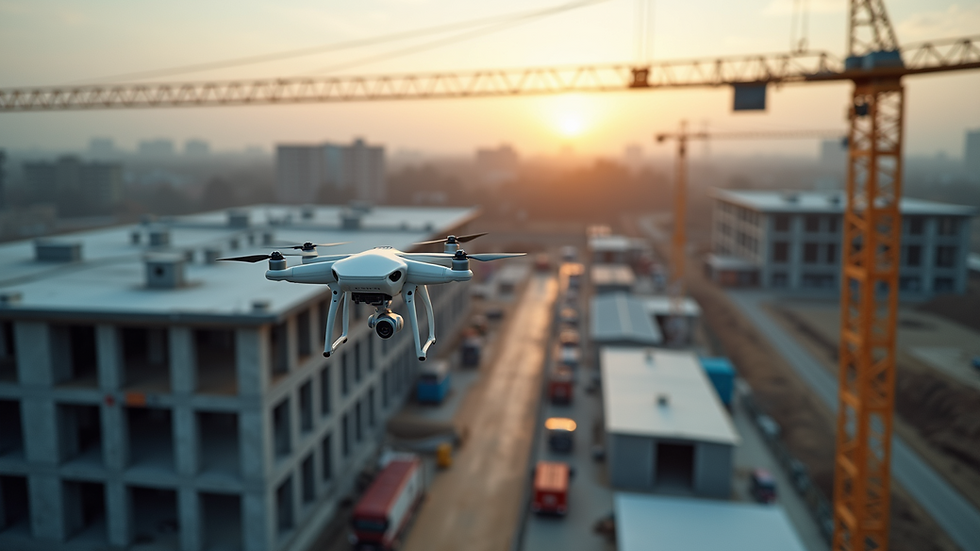
Modern drones equipped with high-resolution cameras can fly over construction sites, capturing detailed images and videos that reveal progress and potential issues. These images are then processed and integrated into project management platforms, offering real-time insights.
Key benefits of aerial photography include:
Comprehensive site documentation: Capture every angle and detail without disrupting work.
Accurate measurements: Use photogrammetry to calculate distances, areas, and volumes.
Time and cost efficiency: Reduce the need for manual inspections and rework.
Historical records: Maintain a visual timeline of the project from start to finish.
By subscribing to a dedicated aerial imaging platform, construction firms can access consistent, high-quality data that supports decision-making and improves project outcomes.

How Aerial Views Enhance Land Development Projects
Land development projects often involve complex terrain and multiple phases, from clearing and grading to infrastructure installation. Capturing aerial views throughout these stages provides critical insights that help developers stay on track.
Site Analysis and Planning
Before breaking ground, aerial imagery helps assess the topography, vegetation, and existing structures. This information guides planners in designing layouts that optimize land use and minimize environmental impact.
Progress Tracking
Regular aerial surveys document each phase of construction, allowing teams to compare actual progress against project timelines. This visibility helps identify bottlenecks and allocate resources more effectively.
Quality Control and Compliance
Aerial views enable quick verification that work complies with design specifications and regulatory requirements. For example, developers can confirm that erosion control measures are in place or that setbacks are maintained.
Risk Management
By spotting potential hazards early, such as unstable slopes or water pooling, aerial imagery supports proactive risk mitigation strategies.
Marketing and Stakeholder Engagement
High-quality aerial photos and videos showcase project milestones and attract investors or buyers by providing compelling visual updates.

Integrating Aerial Imaging into Your Construction Workflow
To maximize the benefits of capturing aerial views, construction and land development companies should consider integrating aerial imaging into their daily operations. Here are actionable steps to get started:
Choose the right provider: Partner with a specialized aerial imaging company that understands your industry’s needs and offers a subscription platform for ongoing access to data.
Define your objectives: Identify key project milestones and areas where aerial data will add the most value, such as site inspections, progress reports, or safety audits.
Schedule regular flights: Establish a consistent schedule for drone surveys to maintain up-to-date records.
Leverage data analytics: Use software tools to analyze images, generate reports, and share insights with your team.
Train your staff: Ensure project managers and field personnel understand how to interpret aerial data and incorporate it into decision-making.
By embedding aerial imaging into your workflow, you create a transparent, efficient, and data-driven approach to construction management.
Future Trends in Aerial Imaging for Construction
The technology behind capturing aerial views continues to evolve rapidly, offering exciting possibilities for the construction industry:
3D modeling and mapping: Advanced drones can create detailed 3D models of sites, enabling virtual walkthroughs and precise measurements.
AI-powered analysis: Artificial intelligence can automatically detect anomalies, track equipment, and predict project risks from aerial data.
Real-time monitoring: Live drone feeds provide instant updates, improving responsiveness to site conditions.
Integration with BIM: Combining aerial imagery with Building Information Modeling (BIM) enhances project visualization and coordination.
Staying informed about these trends and adopting new tools will help construction firms maintain a competitive edge and deliver projects more efficiently.
Elevating your perspective through capturing aerial views is no longer a luxury but a necessity in modern land development and commercial construction. By embracing this technology, you gain unparalleled insight into your projects, enabling better planning, faster problem-solving, and clearer communication. To explore how professional aerial photography can transform your construction management, consider partnering with experts who specialize in delivering precise, actionable site data through subscription platforms tailored to your needs.


Comments