
Effective Real Estate Marketing Solutions
- zachmetcal4
- Sep 30, 2025
- 4 min read
In the competitive world of land development, commercial construction, and construction industries, standing out is crucial. You need more than just a great project; you need to showcase it effectively. That’s where smart marketing comes in. I’ve seen firsthand how the right approach can transform your sales and client engagement. Today, I’ll share practical tips and actionable steps to help you leverage real estate marketing solutions that document your sites, provide valuable data, and keep your clients informed.
Understanding Real Estate Marketing Strategies That Work
Marketing in real estate isn’t just about pretty pictures or catchy slogans. It’s about telling a story that connects with your audience and builds trust. For land development and construction projects, this means showing progress, highlighting key features, and addressing concerns transparently.
Here are some strategies that have proven effective:
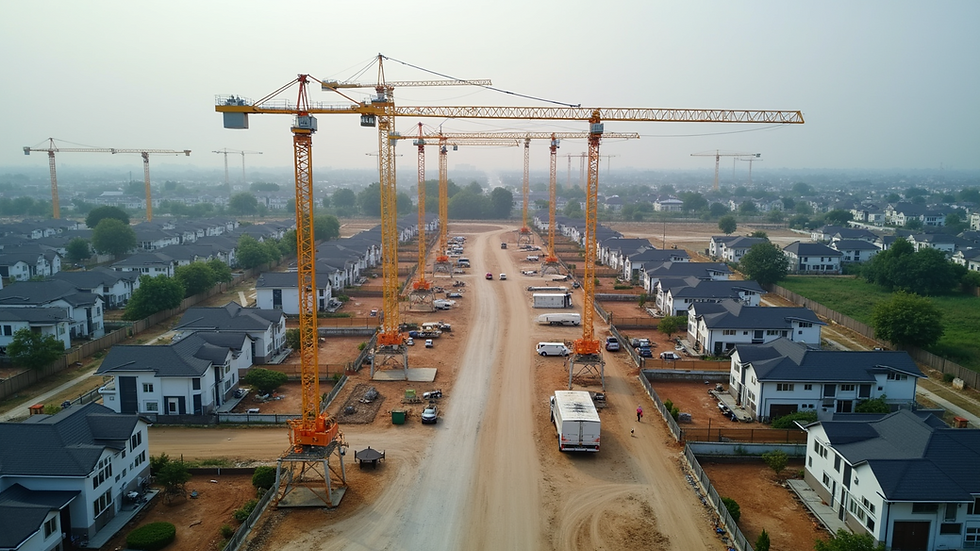
Visual Documentation: Use high-quality images and videos to capture your site’s progress. Drone footage, time-lapse videos, and detailed photos help clients see the value and scale of your work.
Regular Updates: Keep your clients in the loop with consistent project updates. Share milestones, challenges, and solutions to build confidence.
Data-Driven Insights: Provide data on site conditions, timelines, and potential risks. This transparency helps clients make informed decisions.
Subscription Platforms: Offer a subscription service where clients can access real-time updates, reports, and exclusive content. This adds value and keeps them engaged.
By combining these elements, you create a comprehensive marketing approach that not only attracts new clients but also retains existing ones.
Practical Real Estate Marketing Strategies to Implement Today
Let’s break down some actionable steps you can take right now to improve your marketing efforts:
Invest in Aerial Photography and Videography
Aerial shots provide a unique perspective of your projects. They highlight the scale and layout better than ground-level photos. Use drones to capture weekly or monthly progress.
Create a Dedicated Project Portal
Develop a subscription-based platform where clients can log in to see updates, photos, and reports. This centralized hub makes communication seamless.
Leverage Social Media and Email Campaigns
Share your project updates on LinkedIn, Instagram, and email newsletters. Tailor your content to highlight different aspects like safety, innovation, or environmental impact.
Use Clear and Concise Messaging
Avoid jargon. Explain your updates and data in simple terms. Clients appreciate straightforward communication.
Highlight Areas of Concern Proactively
Don’t hide challenges. Instead, show how you’re addressing them. This builds trust and demonstrates your problem-solving skills.
Offer Virtual Tours and Live Streams
When possible, provide virtual tours or live streams of your sites. This interactive approach engages clients and stakeholders who can’t visit in person.
By following these steps, you’ll create a marketing system that keeps your projects visible and your clients informed.

How much does a real estate agent make on a $500,000 house?
Understanding the financial side of real estate can help you better position your services and pricing. Typically, real estate agents earn a commission based on the sale price of a property. For a $500,000 house, the standard commission rate is around 5% to 6%, split between the buyer’s and seller’s agents.
Here’s a quick breakdown:
Total commission (5%): $25,000
Split between agents (50/50): $12,500 each
Agent’s share after brokerage fees (usually 20-30%): approximately $8,750 to $10,000
Keep in mind, these numbers can vary based on location, brokerage, and negotiation. For land development and commercial projects, commissions might be structured differently, often involving flat fees or percentage-based on project milestones.
Knowing this helps you set realistic expectations and tailor your marketing to highlight the value you bring to the table.
Why Documenting Your Site is a Game-Changer
In construction and land development, progress can be slow and complex. Clients want reassurance that their investment is on track. That’s why documenting your site is essential.
Here’s why it matters:
Builds Transparency: Regular photos and videos show exactly what’s happening.
Tracks Progress: Visual records help you monitor timelines and identify delays early.
Supports Claims and Reports: If issues arise, documented evidence can clarify situations.
Enhances Marketing Content: Use your documentation to create compelling marketing materials.
I recommend setting up a routine for site documentation. Use drones for aerial shots, ground-level cameras for close-ups, and software to organize and share the content with clients.

Taking Your Marketing to the Next Level with Technology
Technology is your best ally in modern real estate marketing. Here are some tools and platforms that can elevate your efforts:
Subscription Platforms: These allow clients to access live updates, reports, and media anytime. It’s a great way to keep them engaged and informed.
Project Management Software: Tools like Procore or Buildertrend help you track progress and share updates efficiently.
360-Degree Cameras and Virtual Reality: Offer immersive experiences that let clients explore your sites remotely.
Data Analytics: Use analytics to understand client behavior and tailor your marketing accordingly.
By integrating these technologies, you not only improve communication but also demonstrate professionalism and innovation.
Your Next Steps to Effective Real Estate Marketing
Now that you have a clear understanding of effective real estate marketing strategies, it’s time to act. Start by evaluating your current marketing efforts and identifying gaps. Then, implement the practical tips shared here:
Set up regular site documentation schedules.
Invest in aerial photography and video.
Create or enhance your subscription platform.
Communicate clearly and consistently with your clients.
Use technology to provide immersive and data-driven experiences.
Remember, marketing is an ongoing process. Keep refining your approach based on feedback and results. With dedication and the right tools, you’ll see your sales grow and your client relationships strengthen.
If you want to explore professional options, consider partnering with experts who specialize in real estate marketing solutions tailored for land development and construction industries. They can help you document your sites and provide valuable data that sets you apart.
Start today, and watch your projects gain the attention they deserve.



Comments