
Documenting Construction Sites with Drone Photography
- zachmetcal4
- Sep 2, 2025
- 3 min read
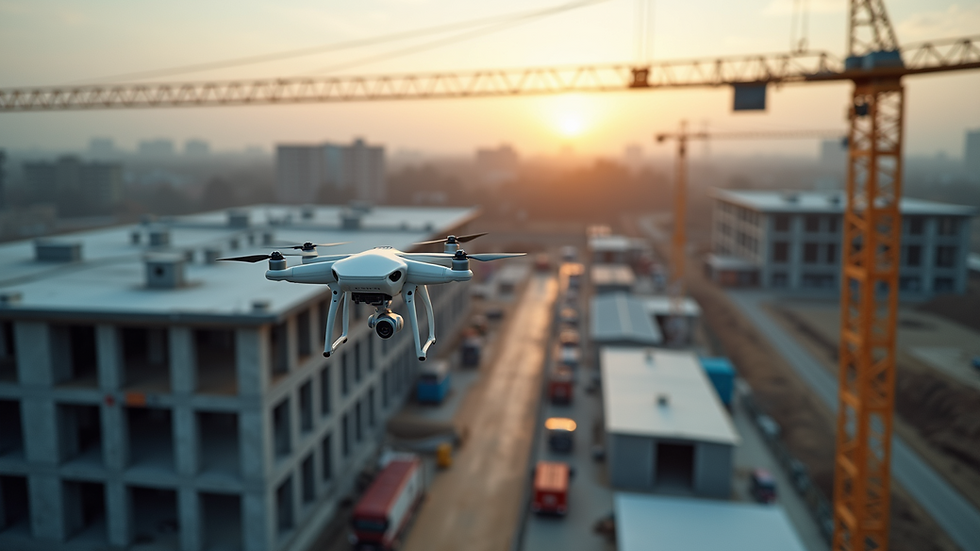
In the fast-paced world of land development and commercial construction, staying updated on project progress is crucial. Drone construction monitoring has revolutionized how construction sites are documented, offering a bird’s-eye view that traditional methods cannot match. Using drones to capture high-resolution images and videos provides detailed insights into site conditions, progress, and potential issues. This technology not only enhances transparency but also improves decision-making and project management.

The Benefits of Drone Construction Monitoring in Modern Projects
Drone construction monitoring offers numerous advantages that make it an indispensable tool for construction professionals. Here are some key benefits:
Comprehensive Site Overview: Drones provide aerial views that cover large areas quickly, allowing project managers to assess the entire site in minutes.
Improved Safety: Inspecting hard-to-reach or hazardous areas becomes safer as drones can access these spots without putting workers at risk.
Accurate Progress Tracking: Regular drone flights capture up-to-date images, enabling precise tracking of construction milestones.
Cost Efficiency: Reducing the need for manual inspections and minimizing delays lowers overall project costs.
Enhanced Communication: Visual data from drones can be shared easily with stakeholders, improving collaboration and transparency.
For example, a commercial construction company can schedule weekly drone flights to monitor earthworks and foundation progress. The images and videos collected help identify any deviations from the plan early, allowing for timely corrections.
How Drone Photography Enhances Construction Site Documentation
One of the most valuable applications of drone technology is in construction site documentation. Traditional documentation methods often rely on ground-level photos and manual notes, which can miss critical details or be time-consuming. Drone photography changes this by:
Capturing high-resolution images from multiple angles.
Providing geotagged photos for precise location tracking.
Creating 3D models and orthomosaic maps for detailed analysis.
Offering time-lapse sequences to visualize project evolution.
These capabilities enable construction teams to maintain an accurate and comprehensive record of site conditions. For instance, a land development project can use drone imagery to document soil conditions before and after grading, ensuring compliance with environmental regulations.

What are construction documents in construction?
Construction documents are essential records that guide the entire building process. They include drawings, specifications, contracts, and reports that define the scope, materials, and methods used in a project. These documents serve as a reference for contractors, architects, engineers, and clients to ensure the project meets design and regulatory standards.
Drone photography complements traditional construction documents by providing visual evidence of site conditions and progress. For example, aerial photos can verify that the foundation matches the approved plans or that safety measures are in place. This integration of visual data with formal documents enhances accuracy and accountability.
Practical Tips for Implementing Drone Construction Monitoring
To maximize the benefits of drone construction monitoring, consider the following actionable recommendations:
Plan Flight Paths Carefully
Define specific routes and altitudes to capture consistent and comprehensive images. This ensures all critical areas are covered.
Schedule Regular Flights
Establish a routine schedule, such as weekly or biweekly flights, to maintain up-to-date records and detect issues early.
Use High-Quality Equipment
Invest in drones with high-resolution cameras and GPS capabilities for precise and clear imagery.
Train Operators Thoroughly
Ensure drone pilots are certified and familiar with local regulations to avoid legal complications.
Integrate Data with Project Management Tools
Use software platforms that allow easy uploading, sharing, and analysis of drone data alongside other project documents.
Focus on Areas of Concern
Pay special attention to zones prone to delays or safety risks, such as excavation sites or scaffolding.
By following these steps, construction teams can leverage drone technology to improve efficiency and reduce risks.

Leveraging Drone Data to Increase Sales and Client Satisfaction
For companies specializing in documenting construction sites, offering a subscription platform that delivers regular drone updates can be a game-changer. Clients benefit from:
Real-Time Project Updates: Access to the latest images and videos keeps clients informed without needing site visits.
Data-Driven Decision Making: Visual evidence supports better planning and resource allocation.
Transparency and Trust: Regular updates build confidence and reduce disputes.
Early Detection of Issues: Identifying potential problems early helps avoid costly delays.
To attract more subscribers, highlight these advantages in marketing materials and demonstrate how drone construction monitoring adds value to projects. Offering customizable reporting options and easy-to-use dashboards can further enhance client experience.
Drone photography is transforming how construction sites are documented and monitored. By integrating this technology into your workflow, you can improve project oversight, enhance safety, and deliver superior service to clients. Embracing drone construction monitoring is not just a trend but a strategic move toward smarter, more efficient construction management.


Comments